// Google Adsense

Friday, January 5, 2018

Ohr Pharmaceuticals' MAKO study utilizing Squalamine and Lucentis does not meet primary endpoint

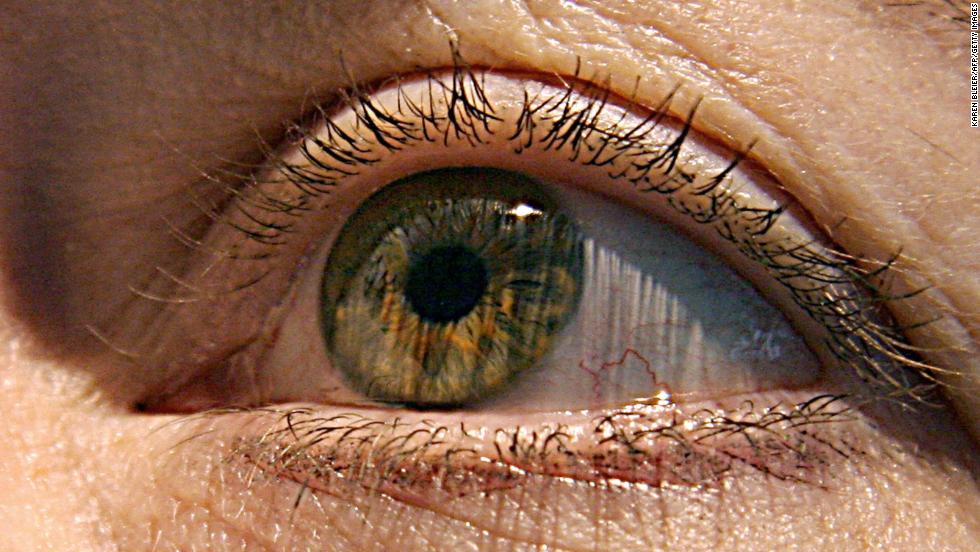
(c) AAO
Ohr Pharmaceutical, Inc. has reported topline data from the MAKO study that did not meet its primary efficacy endpoint. The study evaluated efficacy and safety of topically administered squalamine in combination with monthly Lucentis® injections for the treatment of wet age-related macular degeneration. The primary efficacy endpoint was the mean visual acuity gain at nine months, using a mixed-effects model for repeated measures (MMRM) analysis.

Thursday, January 4, 2018

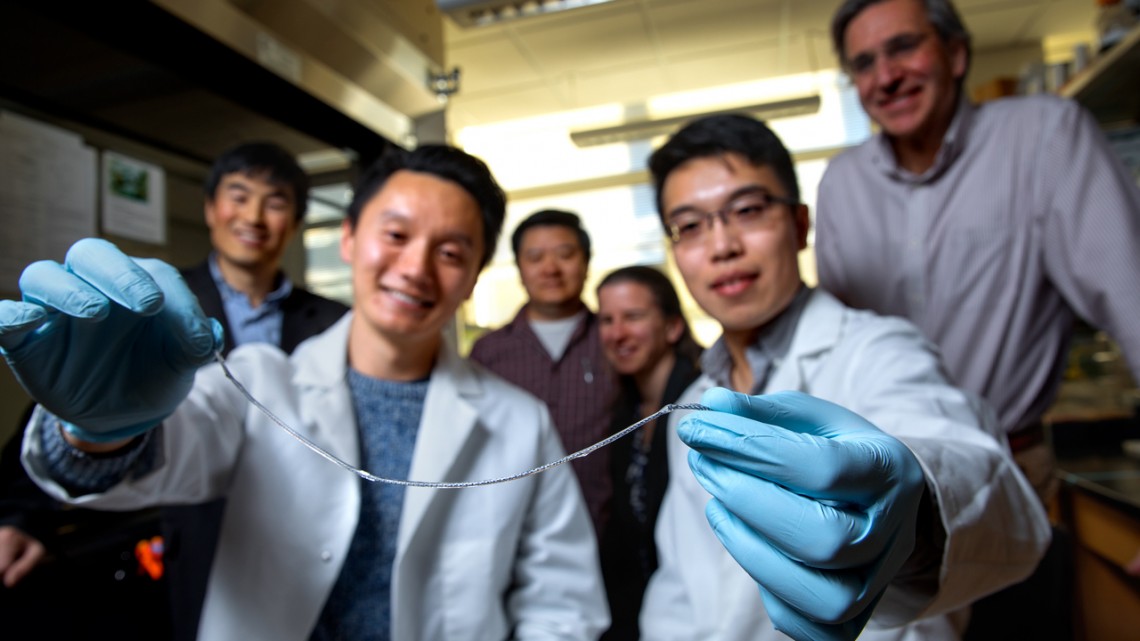
Removable Drug Delivery Implant based on a Spider's Web to control Type 1 Diabetes

(c) Cornell Univ
For the more than 1 million Americans who live with type 1 diabetes, daily insulin injections are literally a matter of life and death. And while there is no cure, a Cornell-led research team has developed a device that could revolutionize management of the disease.

Wednesday, November 15, 2017

Doctors for the first time edit genome in a living human patient

(c) AP Photo/Eric Risberg
For the first time ever, doctors have edited the genome of a living human patient. A 44-year-old man received the treatment for Hunter's syndrome at a hospital in Oakland, California on November 13.

FDA approves the first digital pill that tracks compliance

Source: Proteus Digital Health
The Food and Drug Administration has approved the first drug in the U.S. with a digital ingestion tracking system. Abilify MyCite (aripiprazole tablets with sensor) has an ingestible sensor embedded in the pill that records that the medication was taken. The product is approved for the treatment of schizophrenia, acute treatment of manic and mixed episodes associated with bipolar I disorder and for use as an add-on treatment for depression in adults.
 

Tuesday, November 14, 2017

Studies show stem cell-based treatment safe in macular degeneration

Results from two early clinical trials show that it may be possible to use human embryonic stem cells as treatment for the dry form of macular degeneration, according to presentations at the American Academy of Ophthalmology Annual Meeting 2017 in New Orleans, LA. Stem cells injected into the eye appear to have replaced the missing cells damaged by the disease, with no serious side effects.

Saturday, November 4, 2017

Does performing/undergoing surgery in the afternoon reduce the risks?

Circadian clock
(c) Genetic Literacy Project

A new study suggests patients undergoing open heart surgery in the afternoon have a lower risk of potentially fatal complications than those undergoing operations in the morning. The study found that events including heart attacks and heart failure were less common among those who had undergone a valve replacement operation in the afternoon. The finding appears to be linked to the ability of the heart tissue to recover after being starved of blood supply during surgery – an effect the researchers say is influenced by the cells’ biological or “circadian” clock.

Friday, November 3, 2017

The first dual-action Glaucoma drug, Vyzulta, approved by FDA

(c) AAO
Food and Drug Administration (FDA) has approved Vyzulta™ (latanoprostene bunod ophthalmic solution, 0.024%), which is the first prostaglandin analog with one of its metabolites being nitric oxide (NO), indicated for the reduction of intraocular pressure (IOP) in patients with open-angle glaucoma or ocular hypertension. Following topical administration, Vyzulta, a once daily monotherapy with a dual mechanism of action, works by metabolizing into two moieties, latanoprost acid, which primarily works within the uveoscleral pathway to increase aqueous humor outflow, and butanediol mononitrate, which releases NO to increase outflow through the trabecular meshwork and Schlemm's canal.